



Inclusione sociale e formazione musicale nel Mezzogiorno
Starting from the Neapolitan school of the 1700s and reaching contemporary composition, the initiatives promote active participation, intergenerational dialogue, and the building of more cohesive and aware communities.
The musical inclusion workshops are designed for various educational and social contexts in Southern Italy, with flexible formats adaptable to the needs of schools, associations, and neighborhood realities.
Workshops for schools: classroom or auditorium sessions, with guided listening, body percussion activities, and the creation of simple sound patterns inspired by the languages of the 18th century.
Workshops for adolescents and young people: sessions on musical writing and arrangement, collective improvisation, exploration of contemporary languages based on historical models.
Activities in neighborhoods: moments of participatory music in public spaces or community centers, to engage those who do not attend formal courses in practice and listening.
Each workshop enhances the group, mutual listening, and the opportunity for self-expression, transforming music into a concrete tool for personal and social growth.
The paths dedicated to the Neapolitan school of the 18th century guide students and young musicians in discovering an extraordinary heritage, putting it in dialogue with today's sensibilities.
- Guided listening of pieces from the Neapolitan repertoire and comparison with contemporary examples.
- Composition workshops to reinterpret structures, themes, and stylistic elements of the 18th century in a modern key.
- Meetings with musicians and composers involved in the project, who share their creative work.
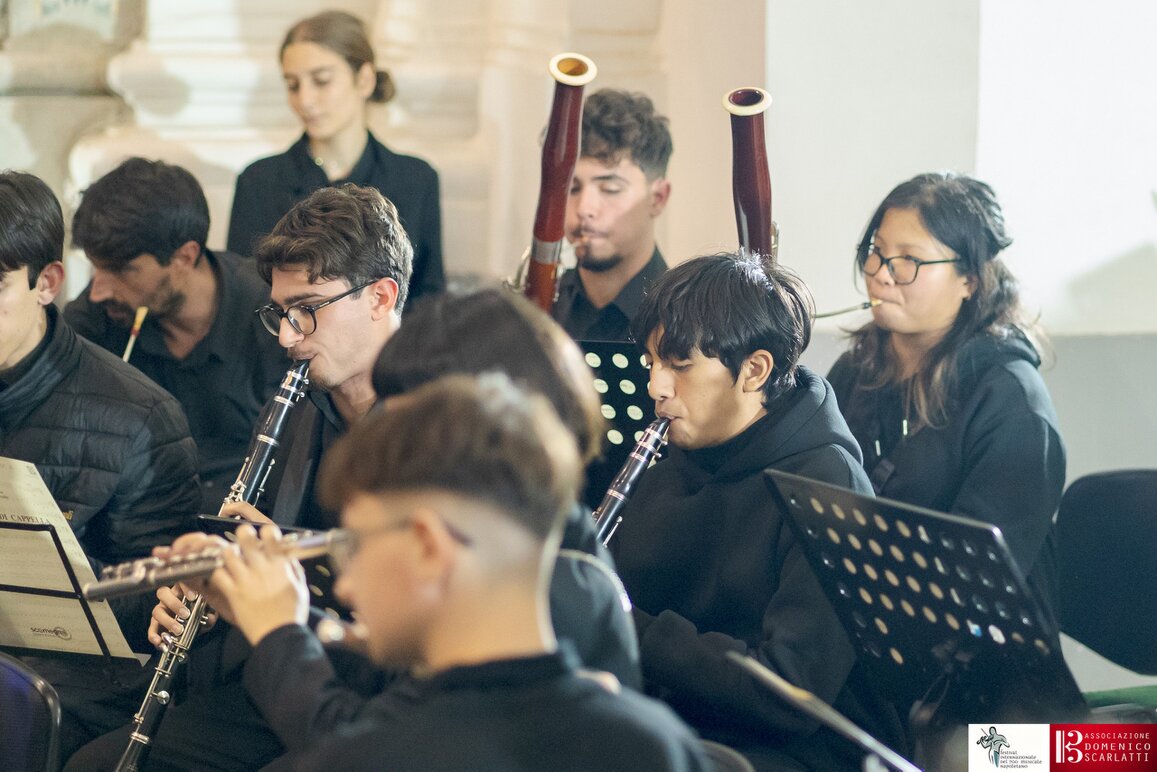
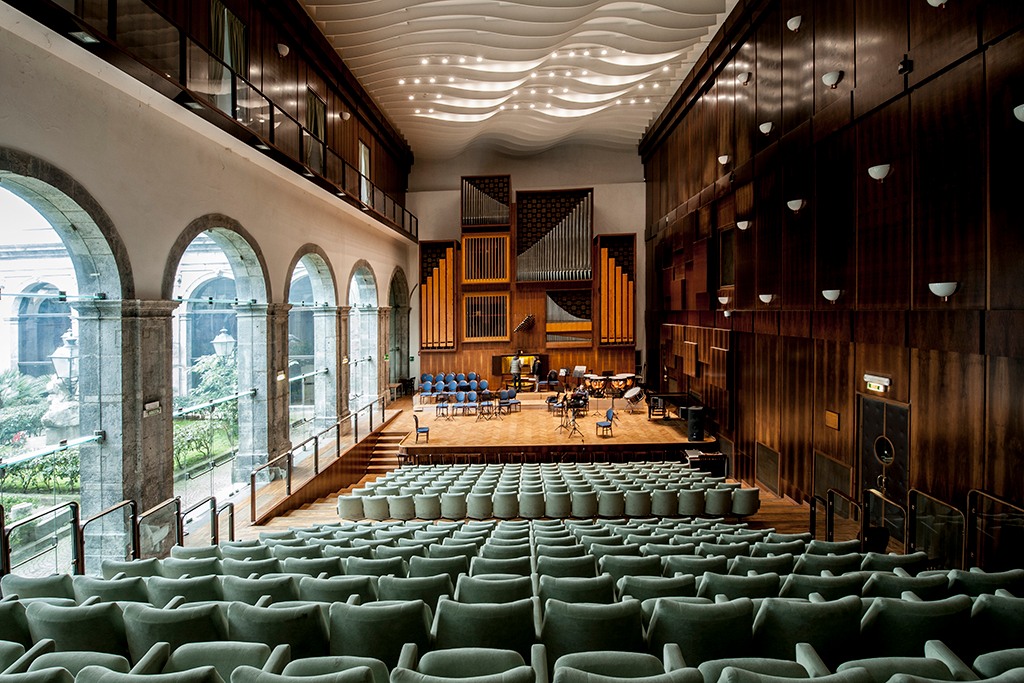
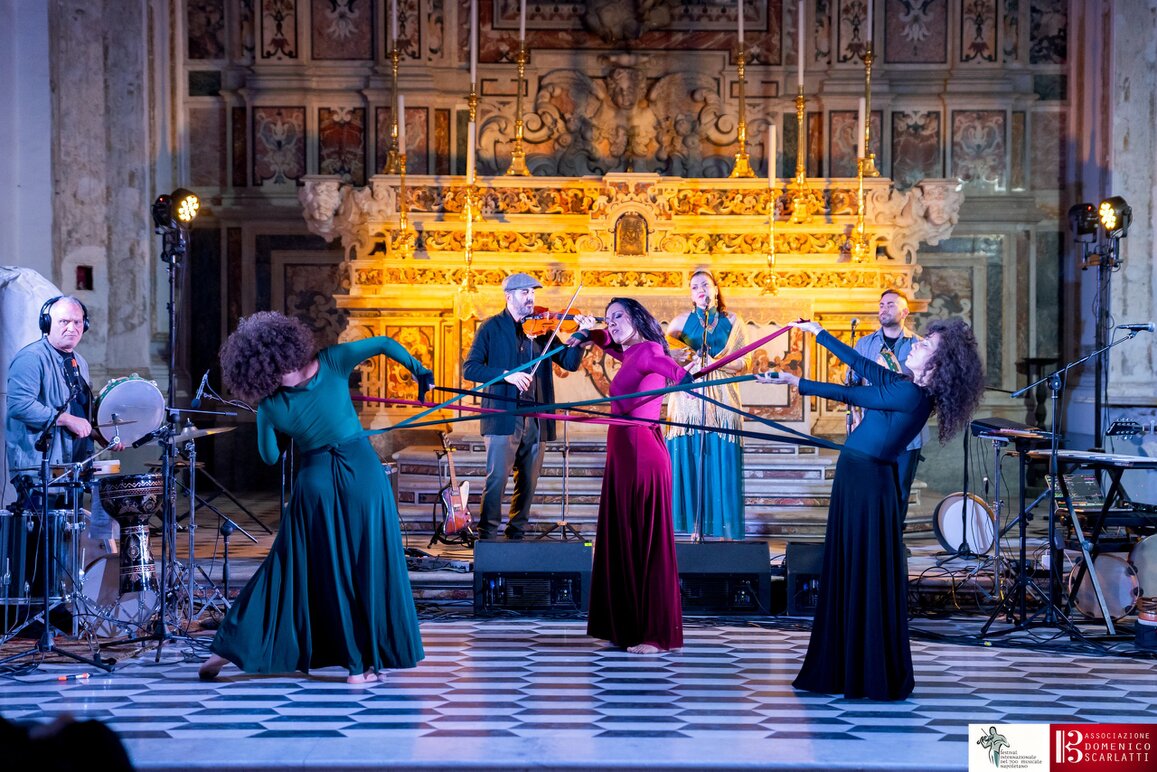
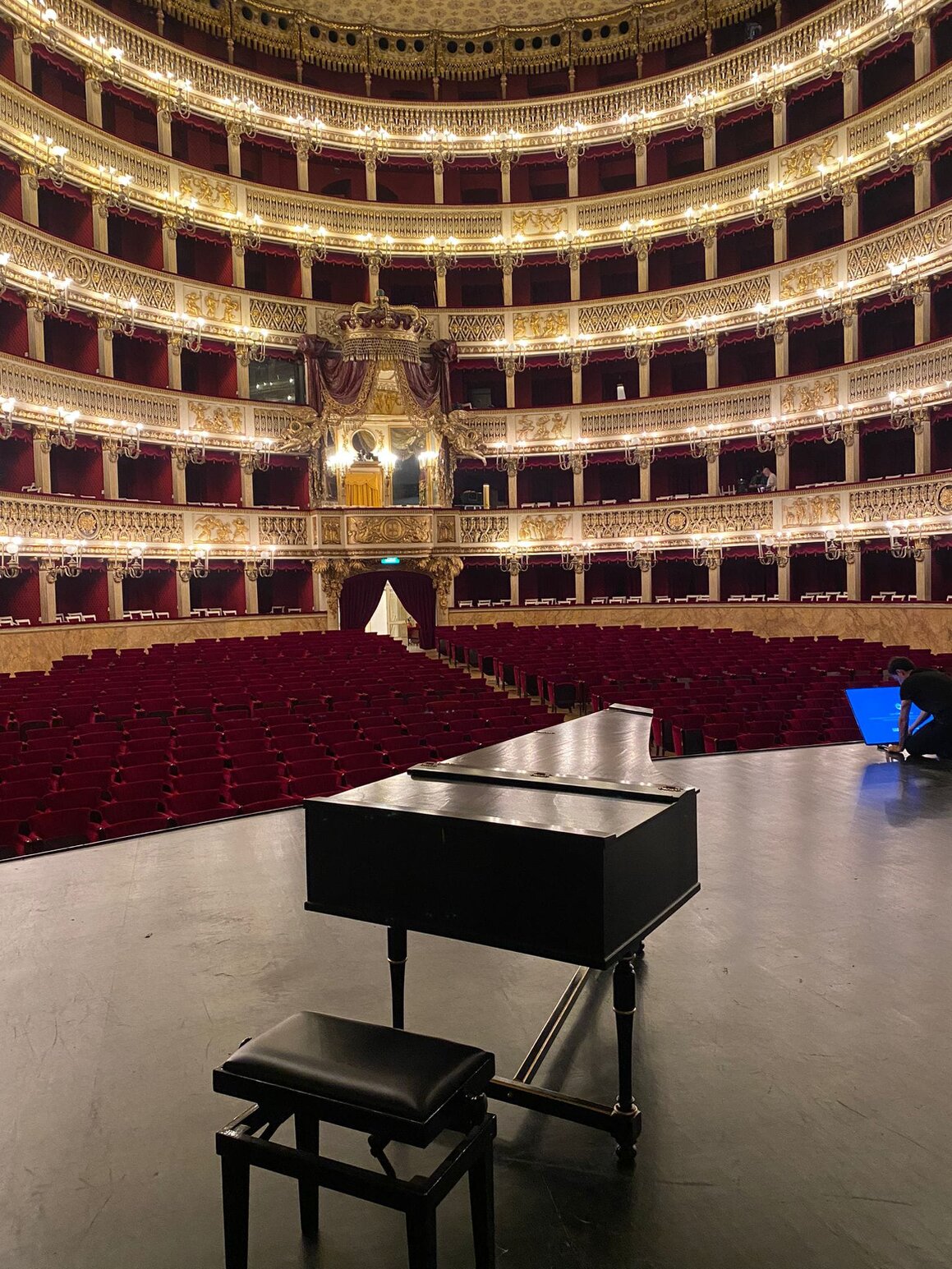
Laboratories dedicated to specific classes or groups; training courses for teachers and cultural operators; moments of public presentation as part of the Festival & Concerts; insights into the Composition Competition and opportunities for young authors. To receive a personalized proposal, simply contact the educational staff indicating the context, the number of participants, and the educational objectives.
